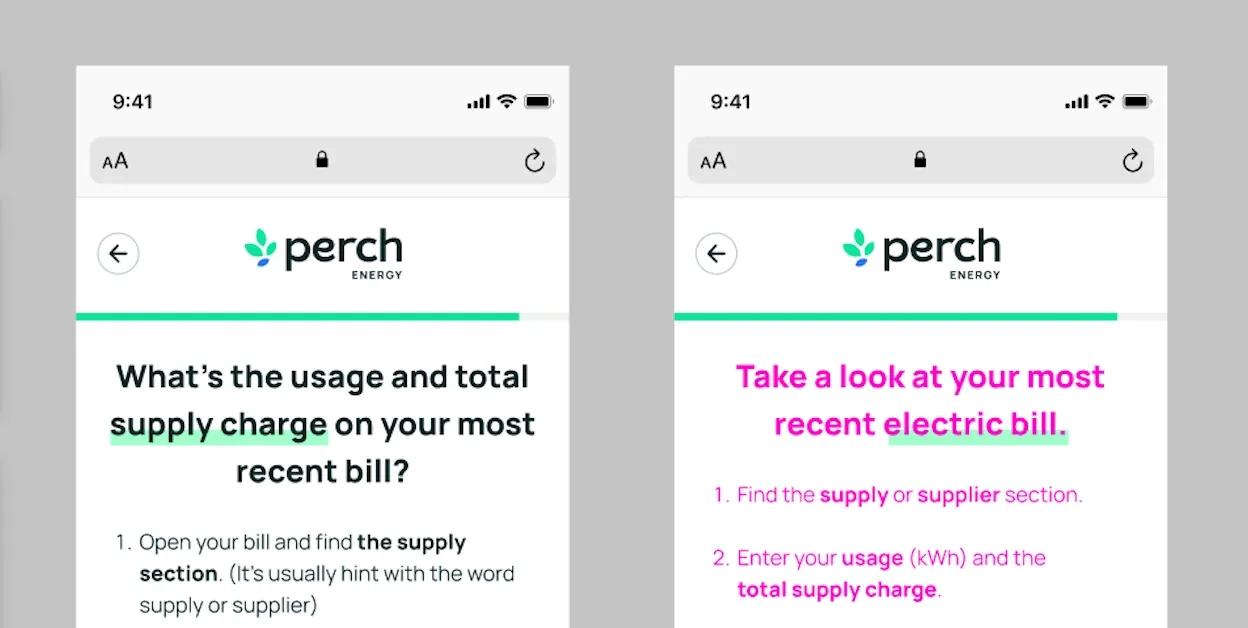
These samples show UX writing embedded in real product flows — including information sequencing, microcopy, and decisions that removed friction. They're hosted in FigJam, where you can see the writing in context alongside design annotations.
Each sample includes the full flow, not just individual strings. You can see how information is sequenced, how microcopy decisions were made, and what changed between before and after states.
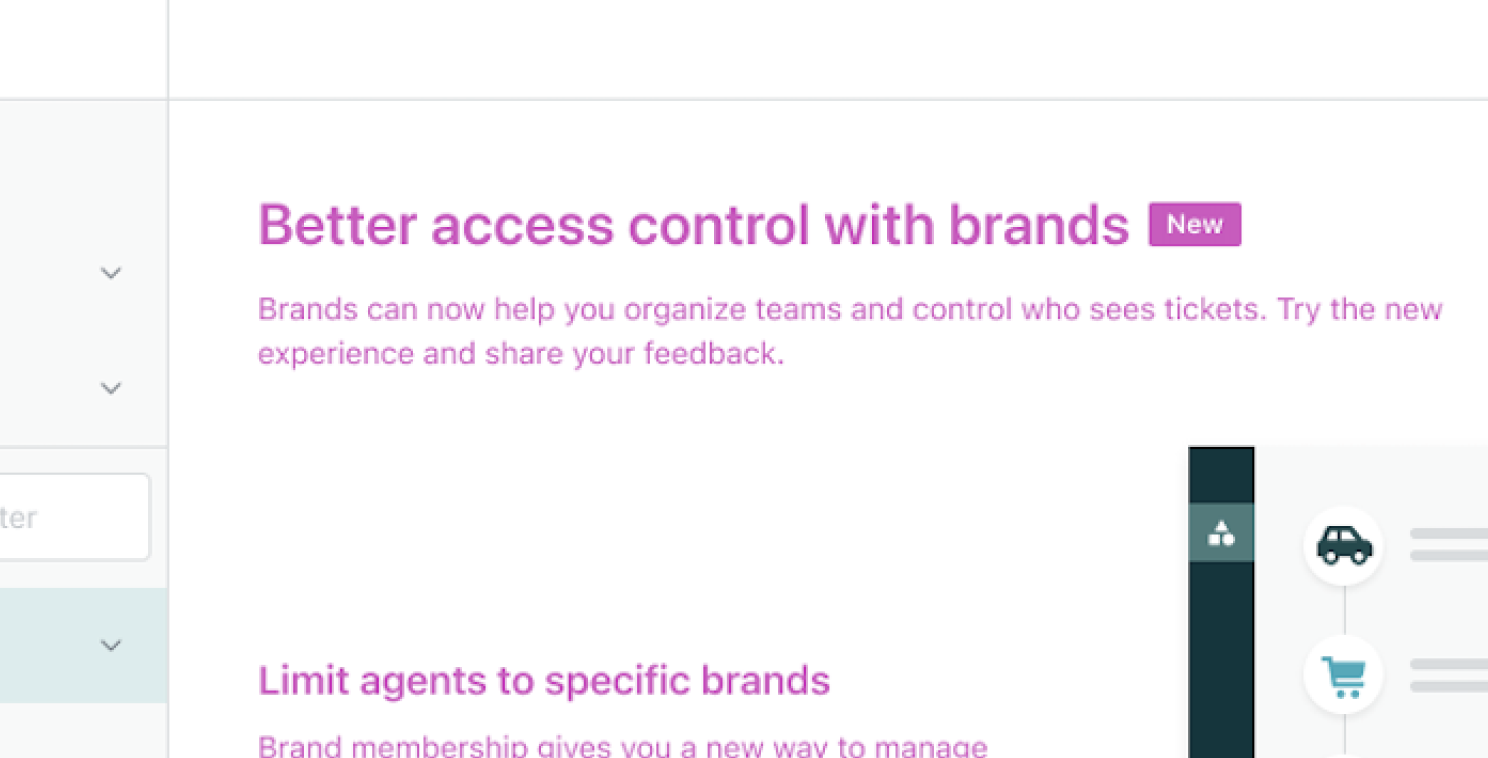
Brands were customer-facing identities: a logo, a branded domain, and a customized email signature. We turned them into workspaces inside your Zendesk account — a new way to organize team members and control who could access data. You'll see three example flows: enroll to get early access, create a brand, and manage brand membership.
View in FigJam ↗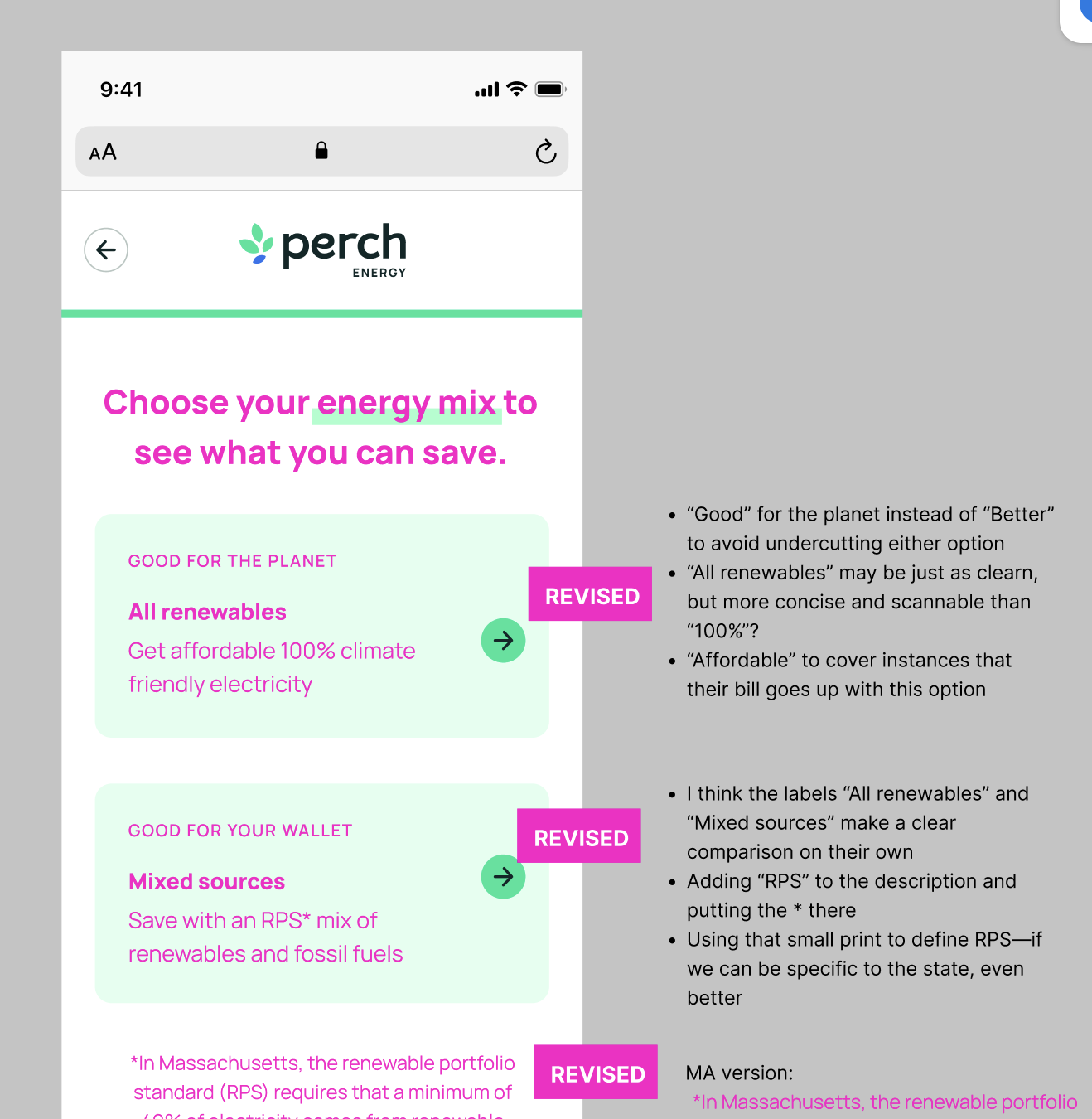
This flow needed to persuade potential customers while helping them understand electricity markets, utilities, and renewable energy concepts — none of which most people have prior knowledge of.
View in FigJam ↗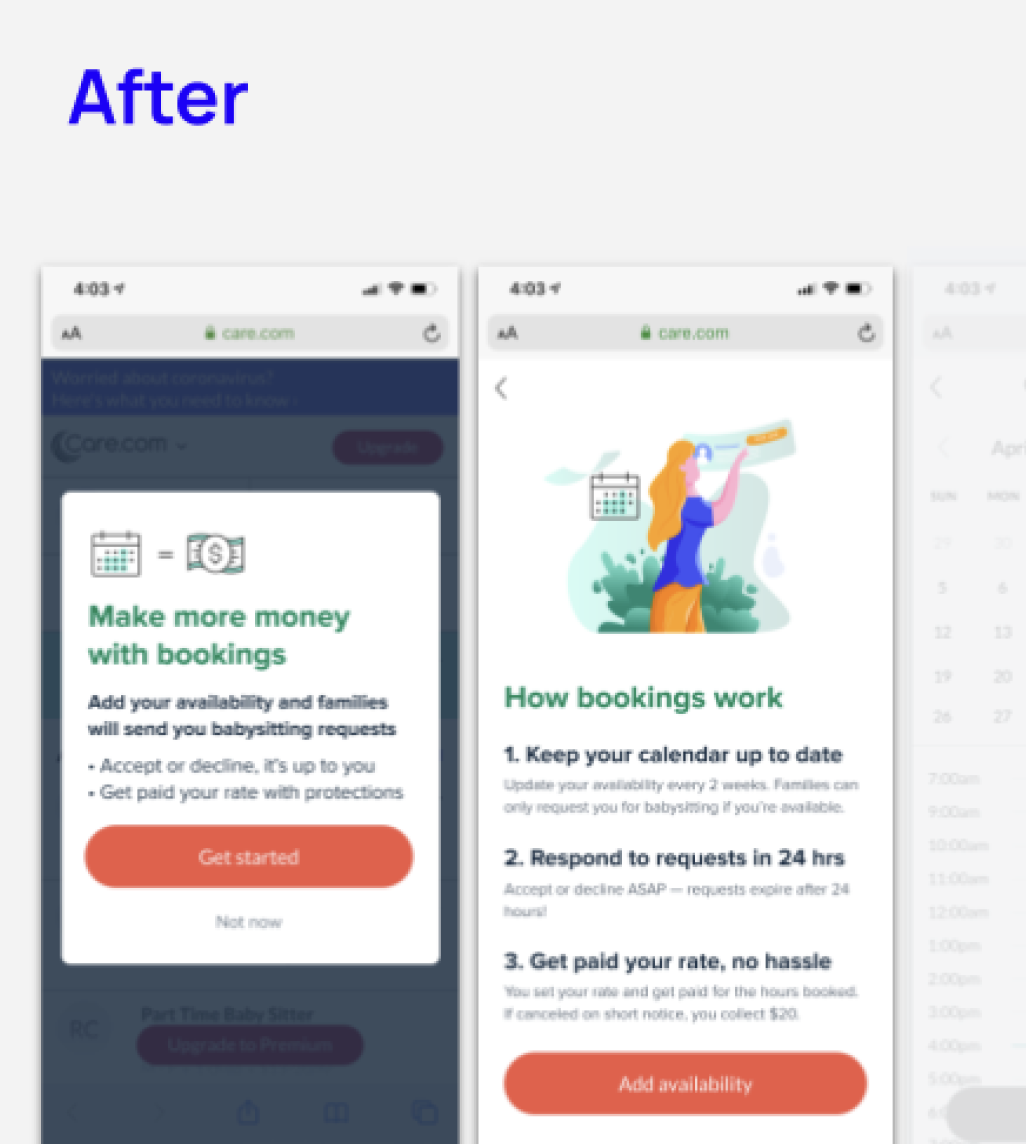
Babysitters didn't understand this feature. We used updated information sequencing and language to improve comprehension and feature performance. Booking fulfillment increased from 15% to 30%.
View in FigJam ↗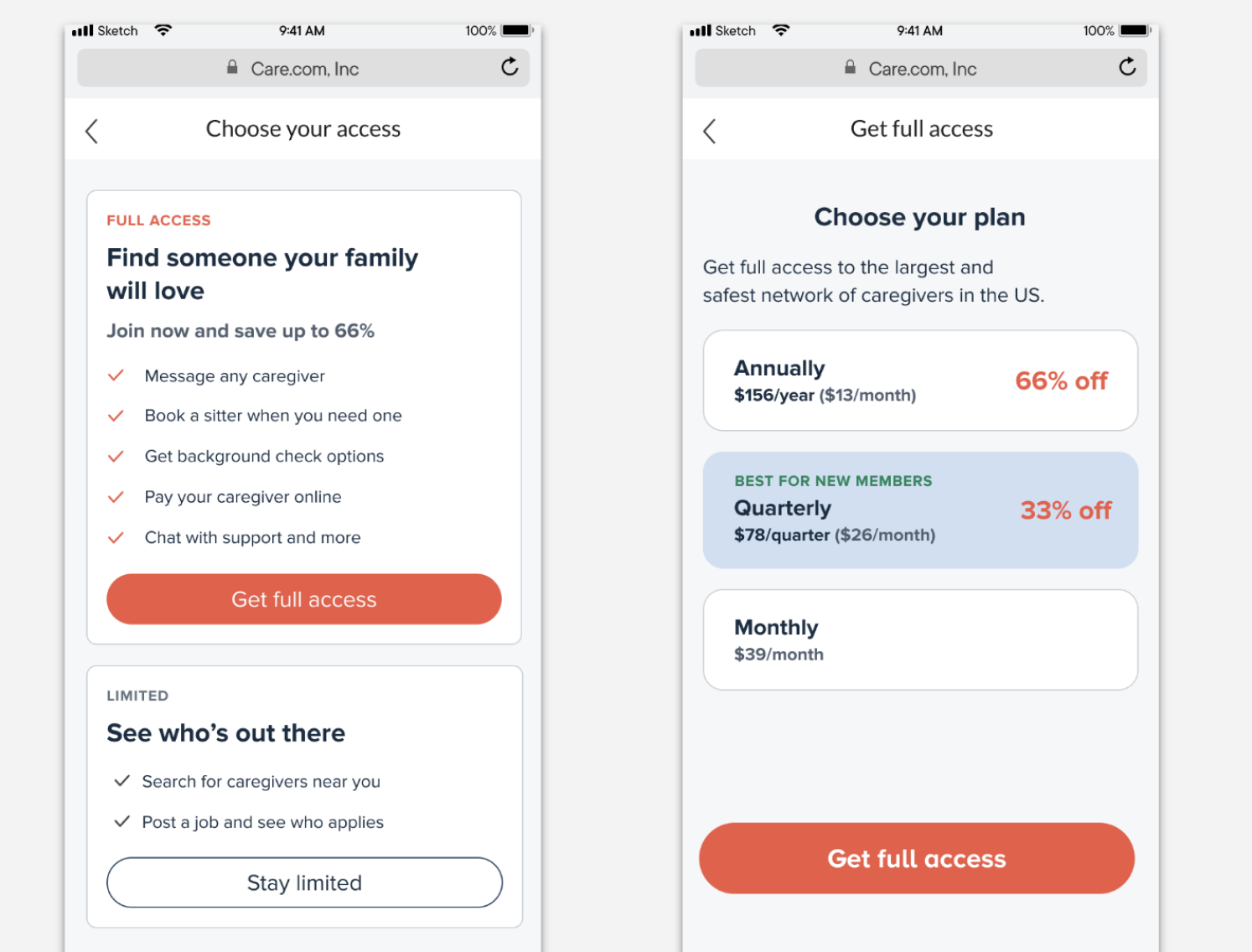
We increased free-to-paid conversion by sequencing choices and making them easier to understand. CVR increased 7.5%.
View in FigJam ↗